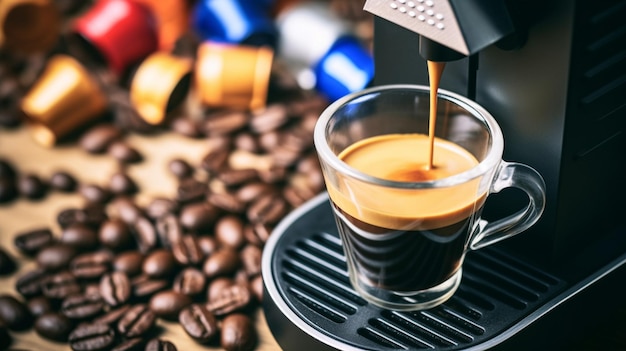
Coffee is loved for its rich aroma and complex taste, but not everyone enjoys high acidity in their cup. For many people, a smoother and gentler flavor is more appealing and easier on the stomach. Choosing less acidic coffee can help you enjoy coffee without the sharpness that sometimes comes with bright brews. By understanding how beans, roasting, and brewing methods affect acidity, you can create a more balanced and enjoyable coffee experience every day.
Understanding Coffee Acidity and Taste
Acidity in coffee is often misunderstood. It refers to the bright, lively quality that adds depth to the flavor rather than a sour or unpleasant taste. While acidity can enhance complexity, too much of it may feel harsh or overwhelming for some drinkers.
The level of acidity in coffee depends on several factors, including the origin of the beans, the altitude at which they are grown, and how they are processed. By selecting the right combination of these elements, you can reduce acidity and achieve a smoother cup.
Choosing the Right Coffee Beans
The origin of coffee beans plays a key role in determining acidity levels. Beans grown at lower altitudes generally have less acidity compared to those grown at higher elevations. Brazilian coffee is widely known for its low-acid, chocolatey flavor, making it a popular choice for those seeking smooth coffee. Indonesian beans, such as those from Sumatra, often have earthy and full-bodied profiles with minimal acidity.
Specialty coffee platforms like jayarr.coffee focus on scientific evaluation and honest reviews, helping coffee lovers find beans that match their preferences. Choosing high-quality beans ensures better flavor and consistency in every cup.
Roast Levels and Their Impact on Acidity
Roast level is one of the most effective ways to control acidity in coffee. Light roast coffee retains more of the bean’s natural acids, resulting in bright and tangy flavors. Medium roast offers a balance between acidity and sweetness, making it a versatile option. Dark roast coffee significantly reduces acidity, producing a bold and smooth flavor that is easier on the palate.
For those who prefer less acidic coffee, darker roasts are often the best choice. The extended roasting process breaks down acidic compounds, creating a richer and more mellow taste.
Brewing Methods for Lower Acidity
The brewing method you choose can greatly influence the acidity of your coffee. Cold brew is one of the best options for reducing acidity because it uses cold water and a longer extraction time. This method produces a smooth and naturally sweet cup with minimal sharpness.
French press is another method that results in a full-bodied and low-acid coffee. Pour over can also be adjusted to reduce acidity by using slightly cooler water and a coarser grind. These small changes can have a significant impact on the final taste.
Grind Size and Extraction Control
Grind size affects how water interacts with coffee during brewing. A coarser grind can help reduce over-extraction, which often leads to bitterness and increased acidity. A finer grind may extract more acids, resulting in a sharper taste.
Maintaining consistency in grind size is important for achieving balanced extraction. Using a burr grinder can help produce uniform particles, leading to a smoother and more enjoyable cup.
Flavor Profiles in Low-Acid Coffee
Reducing acidity does not mean sacrificing flavor. Less acidic coffee can still offer rich and satisfying taste profiles. Many low-acid coffees feature notes of chocolate, nuts, caramel, and even subtle spices. These flavors create depth and complexity without the sharpness associated with high-acid coffee.
As you explore different options, you may notice that some brewing styles, such as the best coffee for espresso, naturally produce a balanced and less acidic flavor due to their concentrated extraction process. This makes espresso-based drinks a good choice for those seeking smoothness without losing intensity.
The Value of Specialty Coffee
Specialty coffee has made it easier to find high-quality, low-acid options. Platforms like jayarr.coffee provide detailed insights into coffee through scientific analysis and honest reviews. This helps consumers make informed decisions and choose beans that suit their taste preferences.
Specialty coffee is carefully sourced and graded, ensuring better quality and more consistent flavor. Choosing specialty beans allows you to enjoy a refined coffee experience while supporting ethical and sustainable practices.
Common Mistakes That Increase Acidity
Some common mistakes can unintentionally increase acidity in coffee. Using stale beans can result in unpleasant flavors. Brewing with water that is too hot can over-extract acids, making the coffee taste harsh. Incorrect grind size can also disrupt extraction, leading to imbalance.
Paying attention to these details can help you achieve a smoother and more enjoyable cup.
Proper Storage for Better Results
Storing coffee beans correctly is essential for preserving their flavor. Beans should be kept in an airtight container and stored in a cool, dark place. Exposure to air, light, and moisture can degrade the quality of the coffee and affect its taste.
Avoid storing coffee in the refrigerator, as it can absorb odors and lose its freshness. Proper storage helps maintain the smooth and balanced flavor of your coffee.
Conclusion
Choosing less acidic coffee beans is a simple way to enhance your daily coffee experience. By selecting the right beans, adjusting roast levels, and using suitable brewing methods, you can enjoy a smooth and balanced cup every time. Understanding how different factors influence acidity allows you to customize your coffee to match your preferences. With the help of specialty coffee resources like jayarr.coffee, finding high-quality, low-acid coffee has become easier than ever.