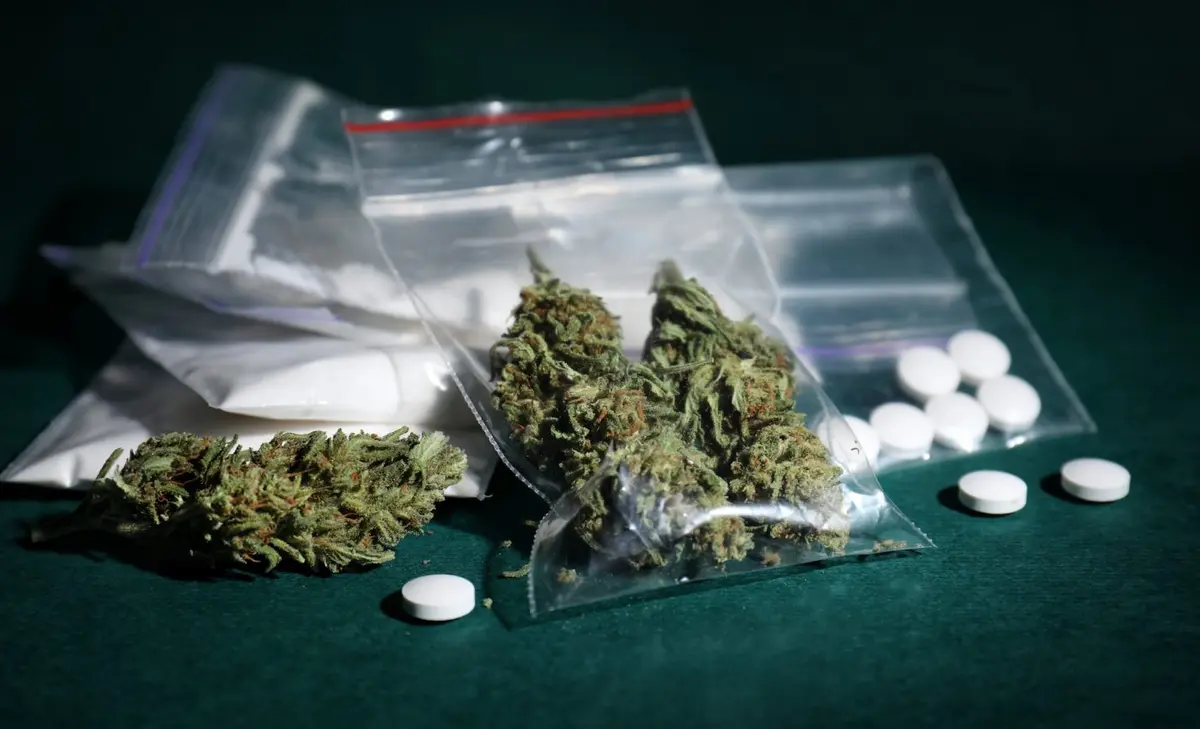
Across Britain, conversations about drugs often happen in coded language. From music lyrics to social media messages, different nicknames are used instead of the word cocaine. Understanding cocaine slang uk , is important for awareness, prevention, and early intervention. While these terms may sound casual or harmless, they refer to a powerful and illegal stimulant that carries serious health and legal risks. This article explores common slang phrases, why they are used, how culture influences them, and why awareness matters today.
What Is Cocaine Slang UK?
Cocaine slang UK refers to the informal words and coded phrases people use to describe cocaine without naming it directly. These terms can vary by region, social group, or online trend.
Common examples include “coke,” “snow,” “white,” “gear,” and “charlie.” In some settings, new slang terms appear frequently, especially among younger audiences influenced by music and internet culture.
Slang helps users speak discreetly, especially in public or online spaces. However, the language can also make cocaine seem less serious, reducing awareness of its risks.
Why Do People Use Drug Slang?
There are several reasons slang develops around illegal substances.
First, it allows people to communicate without drawing attention. Since cocaine is a Class A drug in the UK, possession or supply carries severe penalties. Using coded words may feel safer in public or digital conversations.
Second, slang can create a sense of belonging within certain social groups. Shared language often strengthens identity, particularly in nightlife or party environments.
Third, media influence plays a strong role. Music, films, and social media often normalize drug-related language. As these phrases spread, they become part of everyday conversation.
Cultural Influence and Online Trends
Modern drug slang spreads quickly through digital platforms. Viral videos, song lyrics, and influencer content can introduce new terms that become popular within weeks.
The rise of online communities has accelerated this trend. Conversations that once happened privately now occur in group chats or public comment sections. As a result, Cocaine Deaths Per Year UK evolves rapidly and may differ from city to city.
This cultural normalization can reduce the perceived seriousness of cocaine use. When slang terms are used casually, the harmful consequences may be overlooked.
The Health Risks Behind the Words
No matter what nickname is used, cocaine remains a powerful stimulant. It increases dopamine levels in the brain, leading to short bursts of energy, confidence, and alertness.
However, these effects come with significant risks. Cocaine raises heart rate and blood pressure, increasing the likelihood of heart attack or stroke. Even small amounts can trigger severe reactions, particularly in individuals with underlying health conditions.
Long-term use can cause addiction, anxiety disorders, depression, and paranoia. Physical effects may include nasal tissue damage, weight loss, and insomnia.
Mixing cocaine with alcohol is especially dangerous. This combination produces a toxic compound in the body that places extra strain on the heart and liver.
Online Access and Perceived Convenience
The internet has changed how drugs are marketed and distributed. Some websites promote discreet mail-order services. For example, describes itself as a trusted online cocaine shop in the UK offering quality products and customer support.
Despite such claims, cocaine remains illegal and highly risky. Online marketing does not remove legal consequences or health dangers. In fact, online availability may increase exposure and curiosity among young adults.
Consumers may not know the purity or contents of what they receive, increasing overdose risk. Contamination with other substances can make outcomes unpredictable and potentially fatal.
Legal Consequences in the UK
Under UK law, cocaine is classified as a Class A drug. Possession can lead to up to seven years in prison, while supply or production can result in life imprisonment.
Even discussing purchases online may draw legal attention if linked to illegal activity. Understanding slang can help individuals recognize risky conversations before legal problems arise.
Awareness of terminology is useful for prevention, not promotion. Recognizing coded language allows families, educators, and employers to respond appropriately.
Why Awareness Is Important
Knowing cocaine slang UK terms helps identify warning signs early. Parents may hear unfamiliar phrases and not realize they relate to drug use. Educators and employers may notice coded discussions without understanding their meaning.
Open communication is key. Instead of reacting with anger, informed conversations can focus on health, safety, and support.
Prevention programs that explain both terminology and health risks are more effective than fear-based messaging. Clear, factual information empowers individuals to make informed decisions.
Cocaine Slang UK in Everyday Conversations

When discussing Cocaine Slang UK in daily life, it is important to approach the topic responsibly. The goal is not curiosity about street language but understanding its connection to real-world risks.
Slang may change, but the dangers of cocaine remain constant. Increased awareness can help reduce stigma around seeking help and encourage healthier choices.
Prevention and Support
Reducing cocaine misuse requires education and accessible support systems. Schools and universities should provide clear information about stimulant risks and addiction.
Mental health services also play a critical role. Many individuals turn to stimulants as a coping mechanism for stress or emotional difficulties. Access to counseling can reduce this pattern.
Community engagement strengthens prevention efforts. When families, educators, and healthcare providers work together, early intervention becomes more effective.
Conclusion
Cocaine Slang UK terms are widely used in social settings and online platforms, often masking the seriousness of the drug behind casual language. While slang may create a sense of belonging or discretion, it does not reduce the health and legal risks associated with cocaine use. Understanding these terms supports awareness, prevention, and early intervention. By promoting honest conversations and clear education, communities can address the issue responsibly and reduce potential harm.
Frequently Asked Questions
Q1. What does cocaine slang UK mean?
It refers to the informal words and coded phrases used to describe cocaine in Britain.
Q2. Why is cocaine often discussed using slang?
Slang allows discreet communication, avoids legal attention, and reflects cultural influences from music and social media.
Q3. Is buying cocaine online legal in the UK?
No, cocaine is a Class A drug in the UK, and buying or possessing it can result in severe legal penalties.