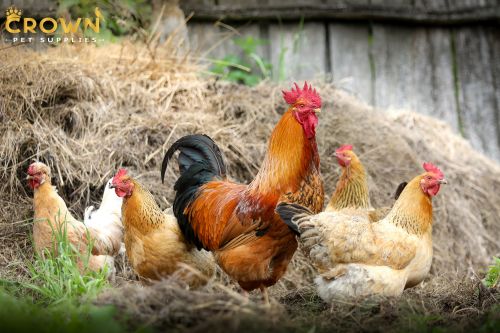
When it comes to long-term flock health, thoughtful stocking of chicken supplies makes all the difference. Successful backyard chicken keeping isn’t just about throwing feed into a trough — it’s about building an ecosystem of prevention, nutrition, and comfort. From basic gear like feeders, waterers, and nesting materials to targeted supplements like hen vitamins and probiotics, the right combination of products can improve feather quality, increase egg consistency, and keep your birds energetic and resilient. This guide walks through the essential chicken supplies you should consider, explains how products such as corid for chickens fit into a flock-care plan, and shows how to integrate vitamins, electrolytes, and probiotics into a holistic routine.
Essential chicken supplies for every coop
Investing in high-quality basics saves time and money over the long run. Start with these must-haves:
- Feeders & waterers: Choose sturdy, easy-to-clean designs that limit waste and contamination. Gravity or nipple waterers reduce exposure to droppings; covered feeders keep feed dry and pest-free.
- Nesting materials: Provide clean, comfortable nesting boxes lined with straw, hemp, or pine shavings. Clean and replace bedding regularly to prevent parasites and maintain egg hygiene.
- Bedding & litter management tools: Good bedding provides insulation and a biological filter. Consider deep-litter management or regular complete changes depending on flock size and climate.
- Perches & shelter: Proper roosting bars and predator-proof housing keep chickens safe and stress-free — decreased stress often equals better laying performance.
- Biosecurity items: Footbaths, disinfectants, and dedicated coop tools reduce disease transmission. Keep fresh gloves and a boot brush near the coop entrance.
- Supplement dispensers: Easy-to-use dispensers for grit, oyster shell, or liquid supplements help ensure consistent intake without extra labor.
These chicken supplies create the physical foundation for health; supplements and targeted treatments build on that base.
Tools + nutrition = resilience
Beyond equipment, prioritize nutrition and proactive care: layer feed appropriate to age and production stage, provide constant access to grit and calcium where needed, and rotate enrichment to keep birds active (and less likely to peck or stress).
Veterinary products and targeted treatments: where corid for chickens fits
One important—but sometimes misunderstood—item in every serious keeper’s toolkit is corid for chickens. Corid (active ingredient: amprolium) is an anticoccidial medication commonly used to treat coccidiosis, a parasitic intestinal disease that can affect young or stressed birds. A few practical points:
- When it’s used: Corid is typically used as a treatment when coccidiosis is diagnosed (by symptoms or lab confirmation) or during outbreaks. It’s not a general vitamin or probiotic.
- Why it matters: Coccidiosis can cause diarrhea, poor growth, reduced egg production, and even mortality. Early, appropriate treatment restores gut health and reduces flock losses.
- Safety and guidance: Always follow label instructions and local regulations. Avoid using medication as a routine additive without veterinary guidance. When in doubt, consult your veterinarian or an experienced poultry extension service.
Framing corid for chickens as a targeted remedy — not a daily tonic — helps keep your flock healthy while avoiding unnecessary drug use.
Complementary products: vitamins, probiotics, and electrolytes
A truly resilient flock benefits from preventative and supportive supplements as well as targeted medicines:
- Hen vitamins & poultry multivitamins: These supplements can fill nutritional gaps, especially during molting, rapid growth, or lower-quality feed seasons. Owners report brighter combs, shinier feathers, and more consistent laying when vitamins are used judiciously.
- Probiotics: Gut health underpins immunity and nutrient uptake. Probiotics help maintain balanced intestinal flora year-round and are especially useful after antibiotics or during feed changes. Many keepers use a probiotic regimen as a baseline for digestive health.
- Electrolytes: During heat stress, shipping, vaccination, or illness, rotating in electrolyte solutions for short periods helps maintain hydration, reduces shock, and supports recovery. Use them during peak stress windows rather than continuously.
- Grit and calcium: Essential for digestion and shell formation — provide free-choice oyster shell for layers and grit for birds with access to whole grains or free-foraging.
Combining probiotics year-round with strategic electrolyte rotation during stress periods is a small investment with outsized benefits — it’s a common practice among hobbyists and small producers alike.
Putting it together: a practical routine
- Daily: Fresh water, clean feeders, quick coop check for signs of illness, top off grit and calcium.
- Weekly: Clean water and feeder basins, refresh bedding as needed, observe droppings and behavior.
- Monthly: Rotate enrichment, check perches and hardware, evaluate feed quality.
- Stress events (heatwave, molt, transport, vaccination): Offer electrolytes for 24–72 hours, increase observation frequency, and consider probiotic support afterward.
- If disease appears: Isolate affected birds, consult a vet, and follow validated protocols. Use corid for chickens only when coccidiosis is confirmed or strongly suspected, per label and veterinary direction.
Conclusion
Stocking a coop with the right chicken supplies and integrating smart nutrition and targeted health treatments turns reactive care into proactive flock management. Supplements like hen vitamins and probiotics can noticeably improve feathering, comb color, and laying consistency; electrolytes rotated during stress reduce downtime; and medications such as corid for chickens serve as essential tools when specific illnesses occur — but must be used responsibly. Thoughtful investment in quality feeders, waterers, bedding, and biosecurity, paired with a sensible supplementation schedule and veterinary partnership, is the most cost-effective route to a thriving flock. With the right supplies and a little planning, your chickens will reward you with vigor, beauty, and reliable eggs for seasons to come.