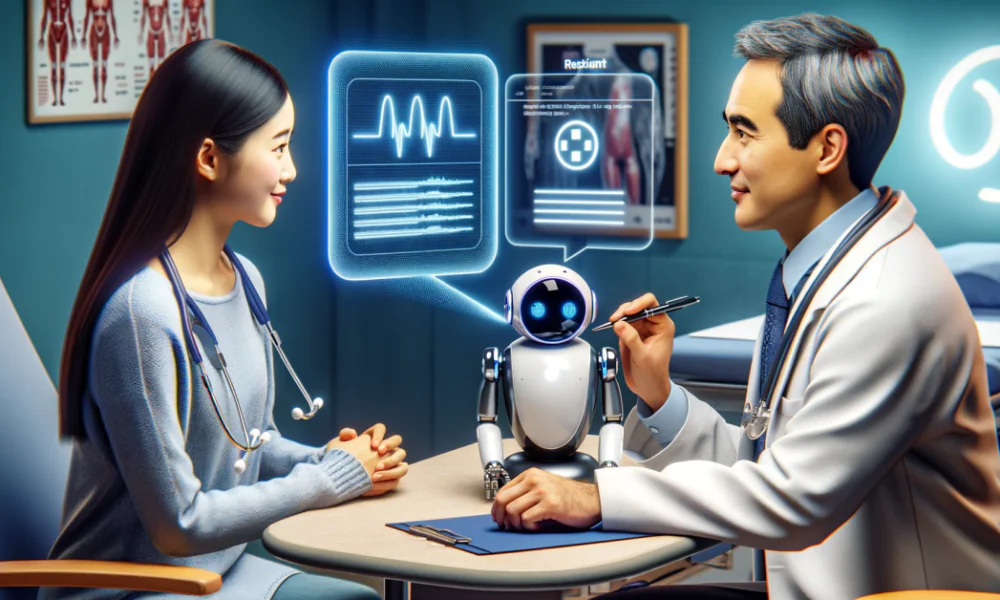
Healthcare professionals are no strangers to long hours, demanding patients, and endless documentation. Amid this pressure, technology has stepped in not just as a helper—but as a silent partner. One of the most transformative innovations today is the rise of AI-powered documentation tools that simplify clinical workflows and restore valuable time to providers. This blog explores how these intelligent systems are reshaping modern medical practices while keeping the human touch intact.
How AI medical scribe Is Transforming Clinical Workflows
The traditional documentation process has long been a source of frustration for physicians. Writing detailed notes after every patient interaction often leads to burnout and reduced efficiency. This is where the AI medical scribe steps in as a game changer.
Unlike manual notetaking, AI-driven solutions listen, interpret, and structure patient conversations in real time. They seamlessly convert spoken interactions into organized medical records, ensuring accuracy while reducing administrative burden. What makes this technology particularly appealing is its ability to learn from patterns, adapt to specialties, and improve over time.
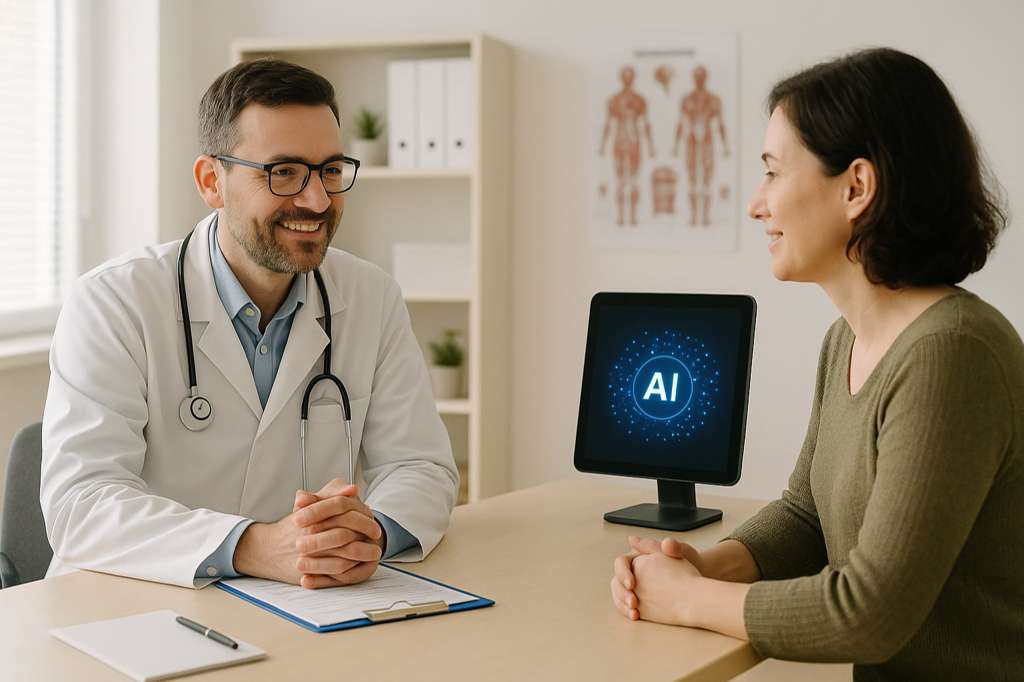
Doctors no longer need to split their attention between the patient and the computer screen. Instead, they can maintain eye contact, actively listen, and build stronger relationships—all while the AI works quietly in the background.
The Human Advantage: More Than Just Automation
While automation is at the core of AI scribes, the real benefit lies in enhancing human connection. By removing repetitive tasks, healthcare providers can focus on empathy, communication, and critical decision-making.
One of the most noticeable improvements is patient satisfaction. When doctors are fully present, patients feel heard and valued. This leads to better trust, clearer communication, and improved health outcomes.
Additionally, AI scribes help reduce errors that often occur due to fatigue or rushed documentation. With consistent formatting and intelligent suggestions, records become more reliable and easier to review.
In practical terms, clinics experience benefits such as:
- Reduced documentation time, improved accuracy, better patient engagement, and enhanced workflow efficiency.
Why AI medical scribe Is the Future of Healthcare
The healthcare industry is rapidly evolving, and efficiency is no longer optional—it’s essential. The AI medical scribe represents a shift toward smarter, more sustainable practices.
As regulations become more complex and patient volumes increase, the demand for accurate documentation continues to grow. AI solutions not only meet this demand but exceed expectations by offering scalability and adaptability. Whether in small clinics or large hospitals, these systems integrate smoothly with existing workflows.
Another key advantage is cost-effectiveness. Hiring and training human scribes can be expensive and time-consuming. AI alternatives provide consistent performance without the overhead, making them accessible to practices of all sizes.
Moreover, advancements in natural language processing and machine learning are making these tools increasingly intuitive. They understand context, recognize medical terminology, and even adapt to individual physician preferences.
Conclusion
The integration of AI into healthcare is no longer a distant vision—it’s happening now. By simplifying documentation and enhancing patient interactions, AI scribes are redefining how care is delivered.
For healthcare professionals, this means less time spent on paperwork and more time focused on what truly matters: the patient. For patients, it translates into better experiences and more meaningful consultations.